
Insights
Product, design, AI, and engineering perspectives from our team.

Micro-Frontend Architecture: Modernising Legacy UIs
Micro-frontend architecture lets teams decompose a legacy UI into independently built and deployed units — but it only pays off under specific conditions. Here's when the pattern genuinely helps, how to integrate it, and what it costs operationally.
AI Compute Capacity Planning for Australian Tech Leaders
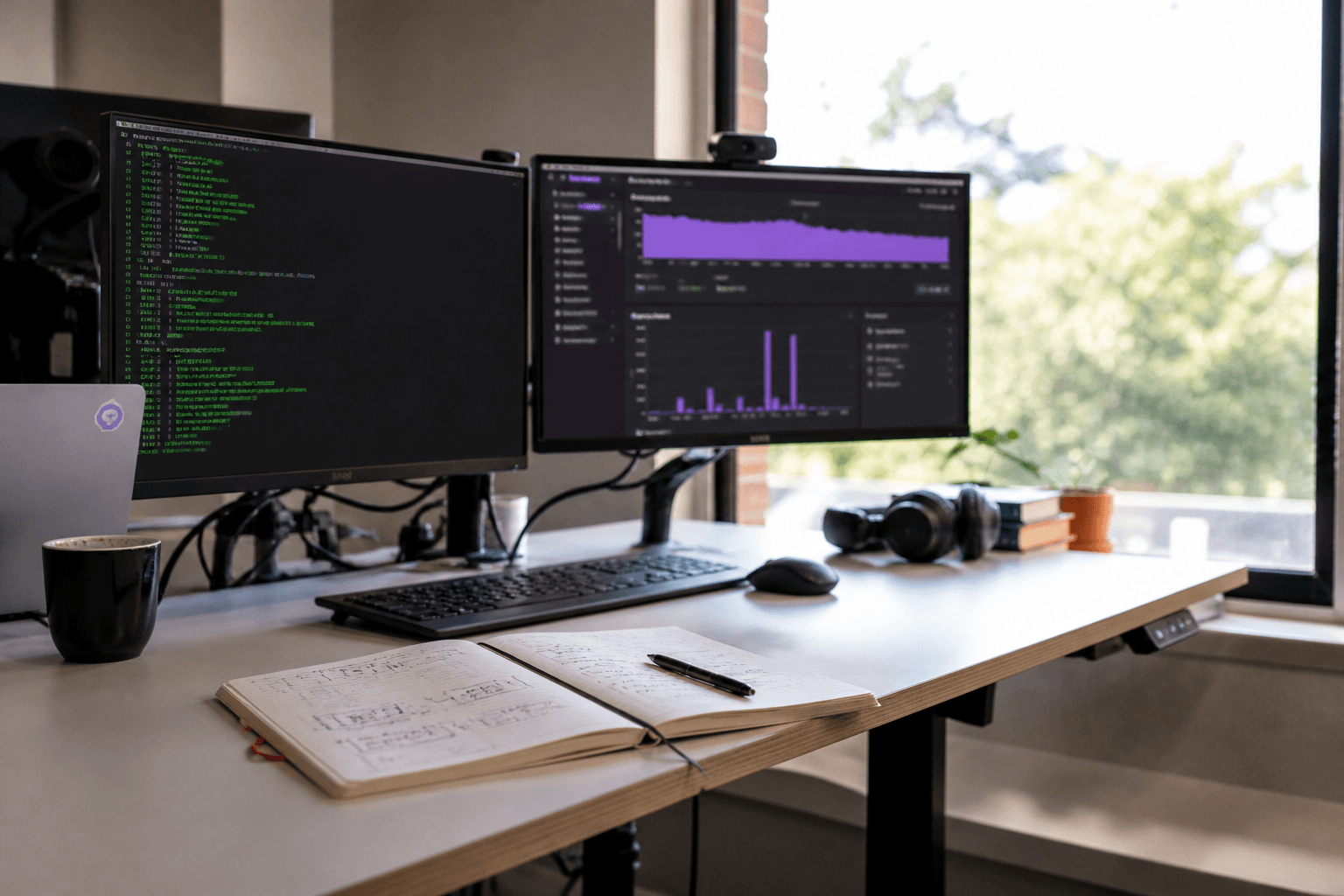
GPU supply constraints hit Australian organisations earlier and harder than larger markets. Here's how to plan compute capacity as a standing input to your technology roadmap, not a reactive scramble.
AI-Assisted Rostering for Logistics and Field Service Teams
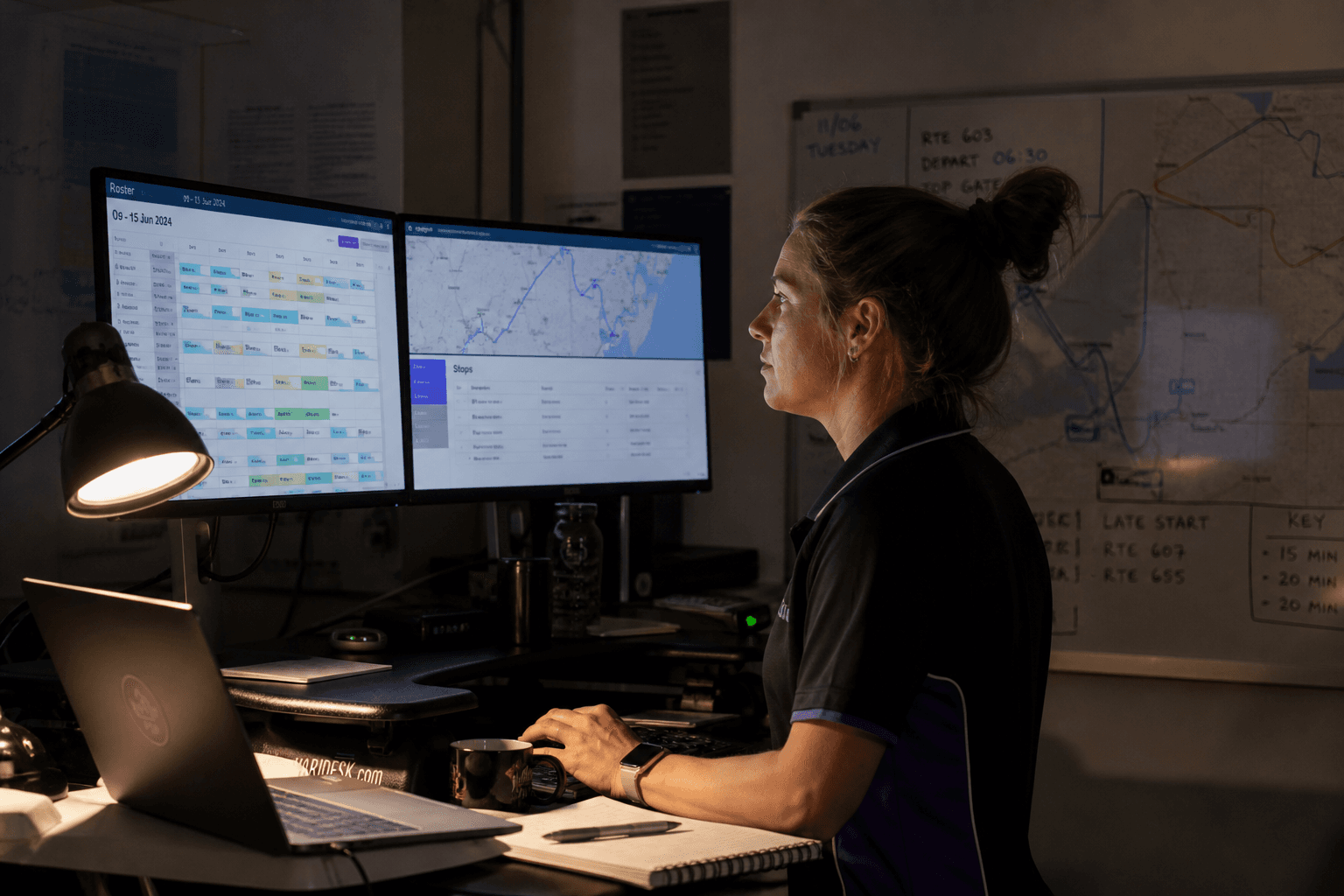
AI-assisted rostering can reduce overtime, travel time, and missed service windows for logistics and field-service operators — but only with the right data foundations and constraint models. Here's what's actually involved, and how it fits with existing dispatch systems.

Cloud Repatriation for AI Workloads: A Decision Guide
Cloud repatriation — moving AI and data workloads from public cloud back to owned or colocated infrastructure — is worth modelling for specific high-utilisation workloads, not as a blanket strategy. Here's how engineering leaders should weigh the cost drivers, latency gains, and migration risks.

AI-Assisted Rostering Optimisation for Logistics and Field Service
AI-assisted rostering optimisation uses mathematical modelling and machine learning to assign workers, vehicles, and shifts against real operational constraints — compliance, skills, travel, cost — rather than relying on spreadsheets or static rules. This piece breaks down what it takes to build it properly for Australian logistics and field-service operations.

Telematics and IoT Data Pipelines for Usage-Based Insurance
A practical engineering guide for Australian insurtechs building telematics and IoT data pipelines for usage-based insurance products — covering ingestion, feature engineering, scoring, claims integration, and privacy obligations.

Marketing Mix Modelling: A Guide for Growth Leaders
Marketing mix modelling (MMM) estimates each channel's contribution to revenue using aggregate, privacy-resilient data — unlike last-click or multi-touch attribution. This guide explains what MMM is, how it compares to MTA, and what data and validation it actually requires.

Designing Agent-Ready APIs for AI Agents and MCP
AI agents and the Model Context Protocol are changing what counts as a well-designed API. Here's how engineering teams should approach authentication, rate limiting, documentation and observability so agent traffic can be safely integrated.

Data Annotation Pipeline Strategy for Custom AI Models
A practical guide for Australian data leaders on building or outsourcing data annotation pipelines for custom AI models — covering workforce models, quality control, and the Privacy Act considerations that apply when labelling sensitive business data.