
Insights
Product, design, AI, and engineering perspectives from our team.

Observability for AI Agent Pipelines in Production
Multi-step AI agents fail in ways infrastructure metrics can't explain. This guide covers how to instrument chained model and tool calls with distributed tracing and structured logging so engineering teams can actually debug production failures and latency.
Choosing an Enterprise AI Platform: Bedrock vs Azure vs Vertex
Choosing an AI platform is a governance and architecture decision, not just a model choice. We compare AWS Bedrock, Azure AI Foundry, and Google Vertex AI on governance tooling, cost structure, and vendor lock-in — and are upfront about where public documentation runs thin.
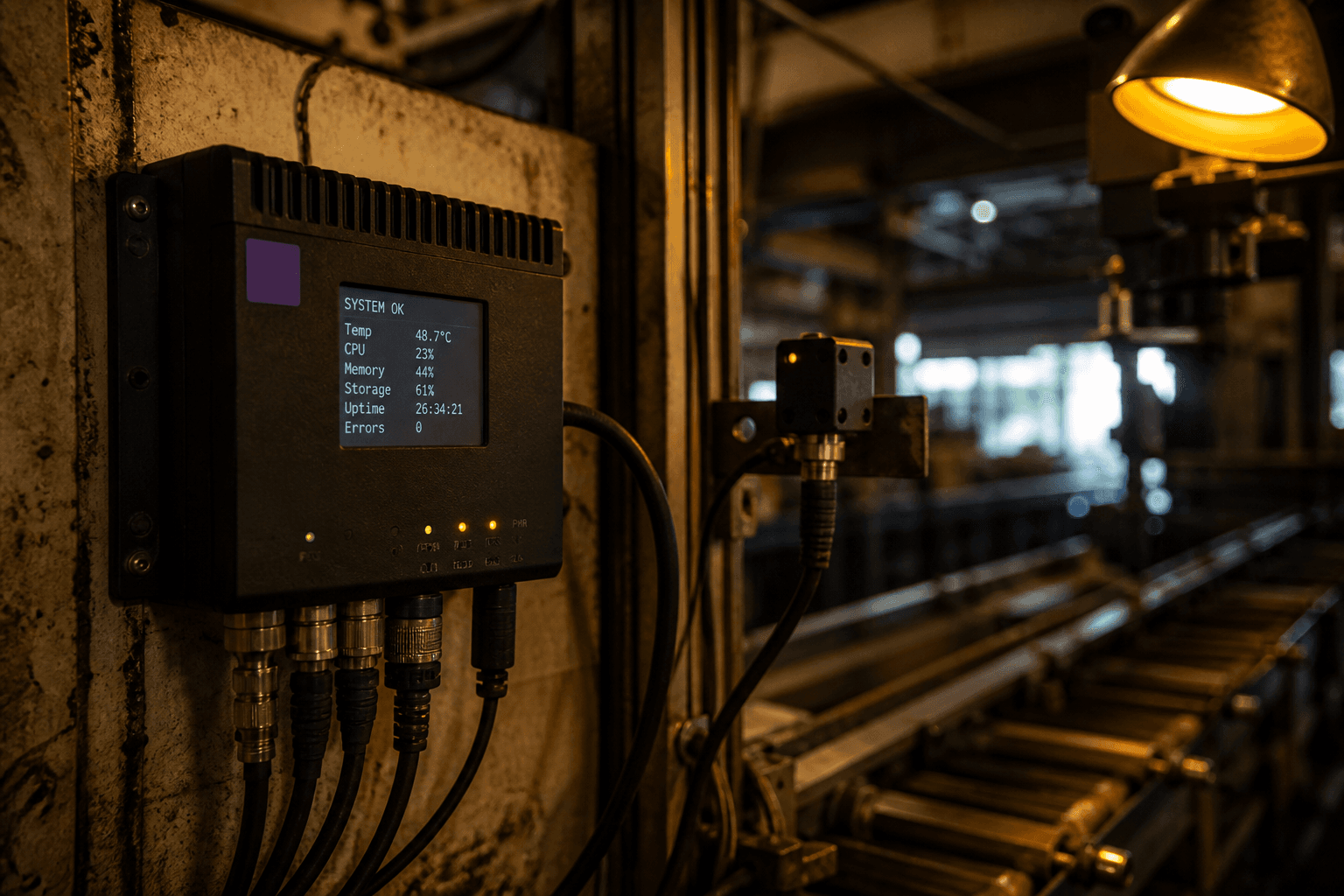
Edge AI for Industrial IoT: An Architecture Guide
Edge AI for industrial IoT means running inference locally on-site rather than in the cloud. This guide covers the latency, connectivity, and maintenance trade-offs that shape a sound architecture.

Contact Centre AI: Integrating Voice and Chat Automation
A practical look at integrating AI-driven voice and chat automation into existing telephony and CRM systems — covering integration patterns, where automation should and shouldn't replace agents, and how to measure impact honestly.

Multi-Tenant Architecture for AI-Powered B2B SaaS
Adding AI to a multi-tenant SaaS platform is an architecture problem, not just a model problem. Here's how to isolate tenant data, design per-tenant model context, and choose between shared and dedicated inference infrastructure.
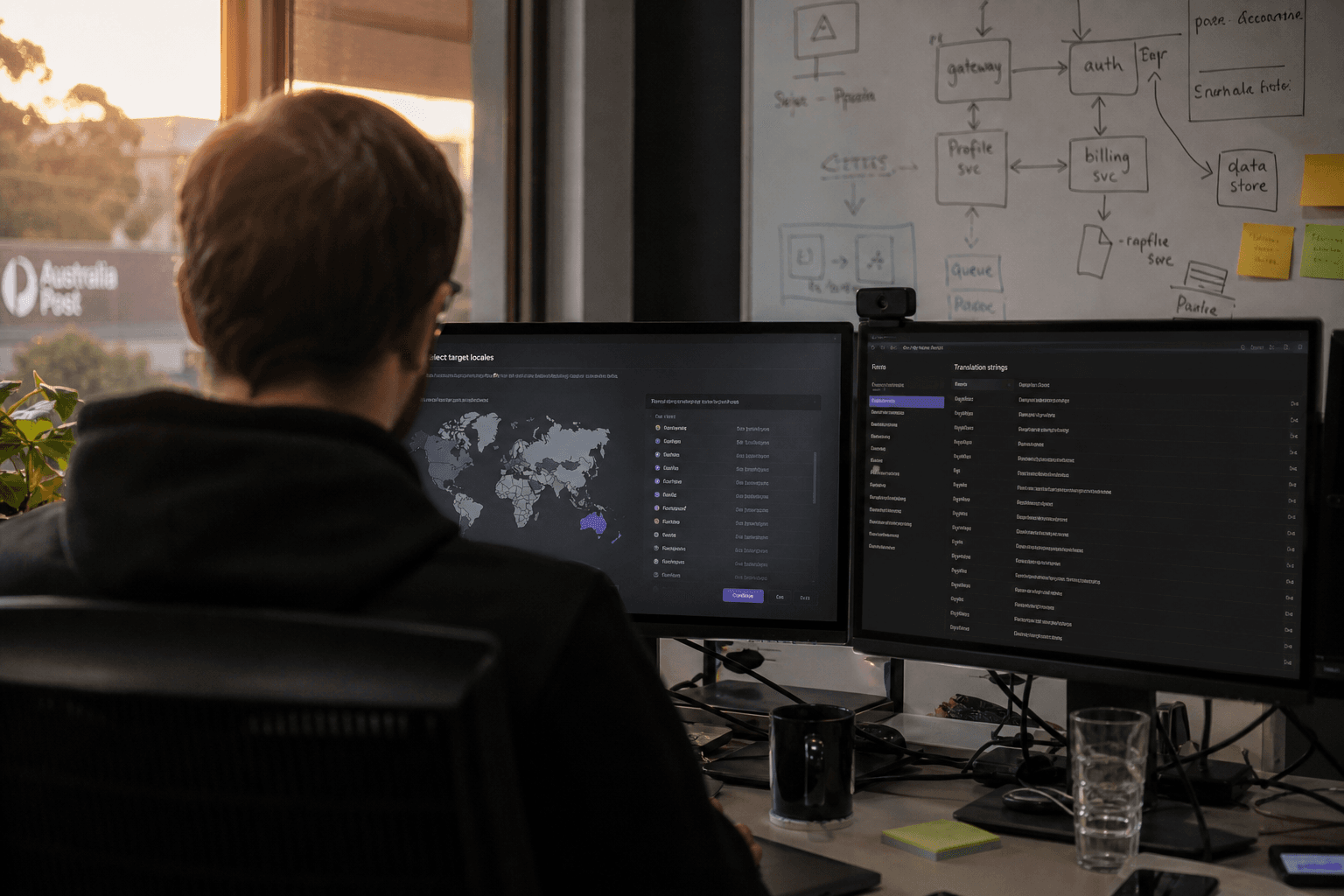
AI Localisation Architecture for APAC Market Expansion
Expanding into New Zealand and APAC takes more than a translation layer. This guide walks through the architectural decisions — retrieval, data structure, model selection, and locale-specific UX — that determine whether a multi-language AI rollout scales cleanly or needs a rebuild.
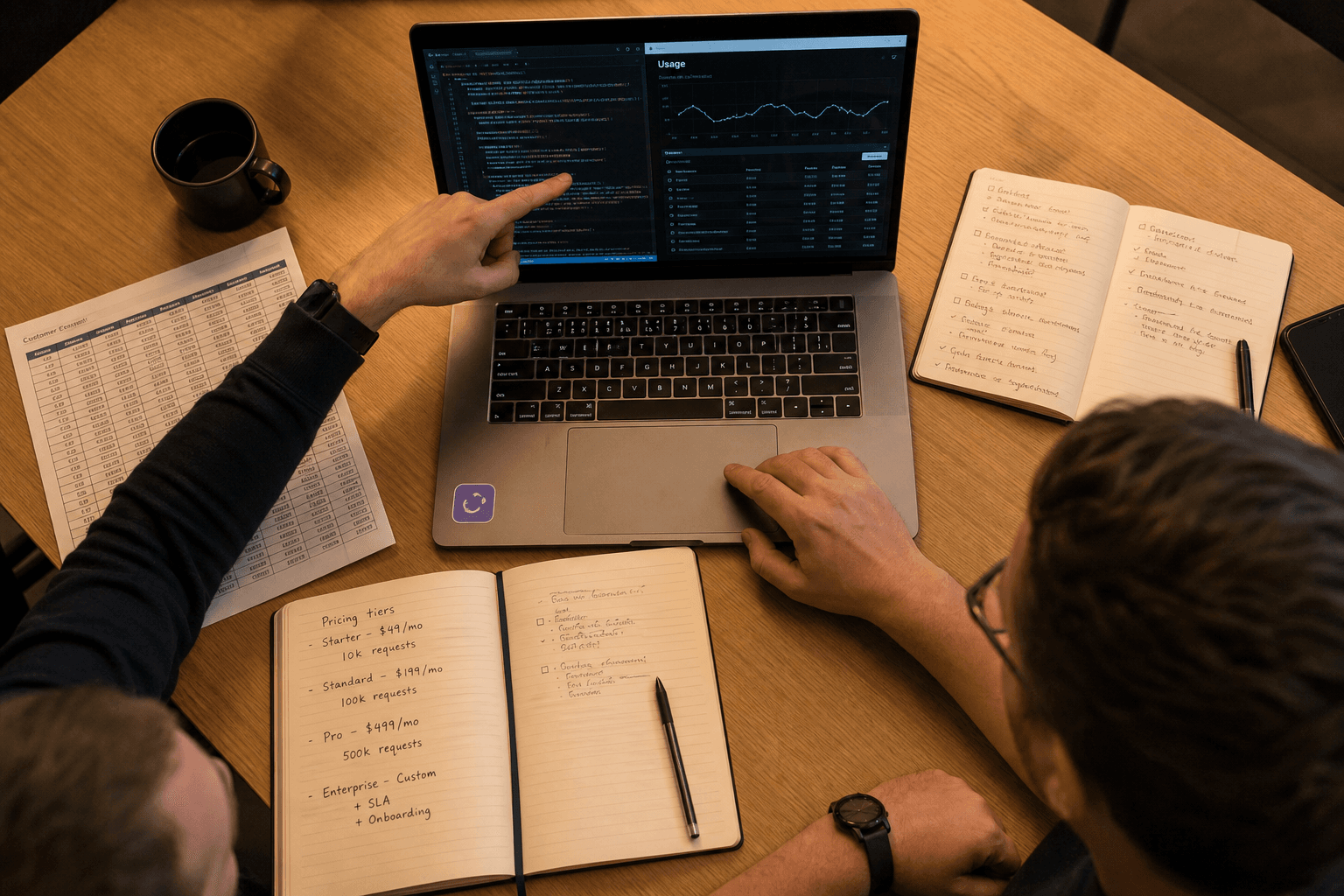
Usage-Based Billing for AI SaaS Features: A Metering Guide
AI features have volatile unit economics, and billing is often built last. This guide leads with what usage-based billing actually is, then covers metering architecture, pricing model trade-offs, and margin protection for AI SaaS features.

ML Proof of Concept to Production: Why Most Stall
Most ML proof of concepts never reach production — not because the model is wrong, but because reproducibility, deployment, monitoring, evaluation, versioning, and lineage were never built. Here's why POCs stall and what a realistic path to production looks like.
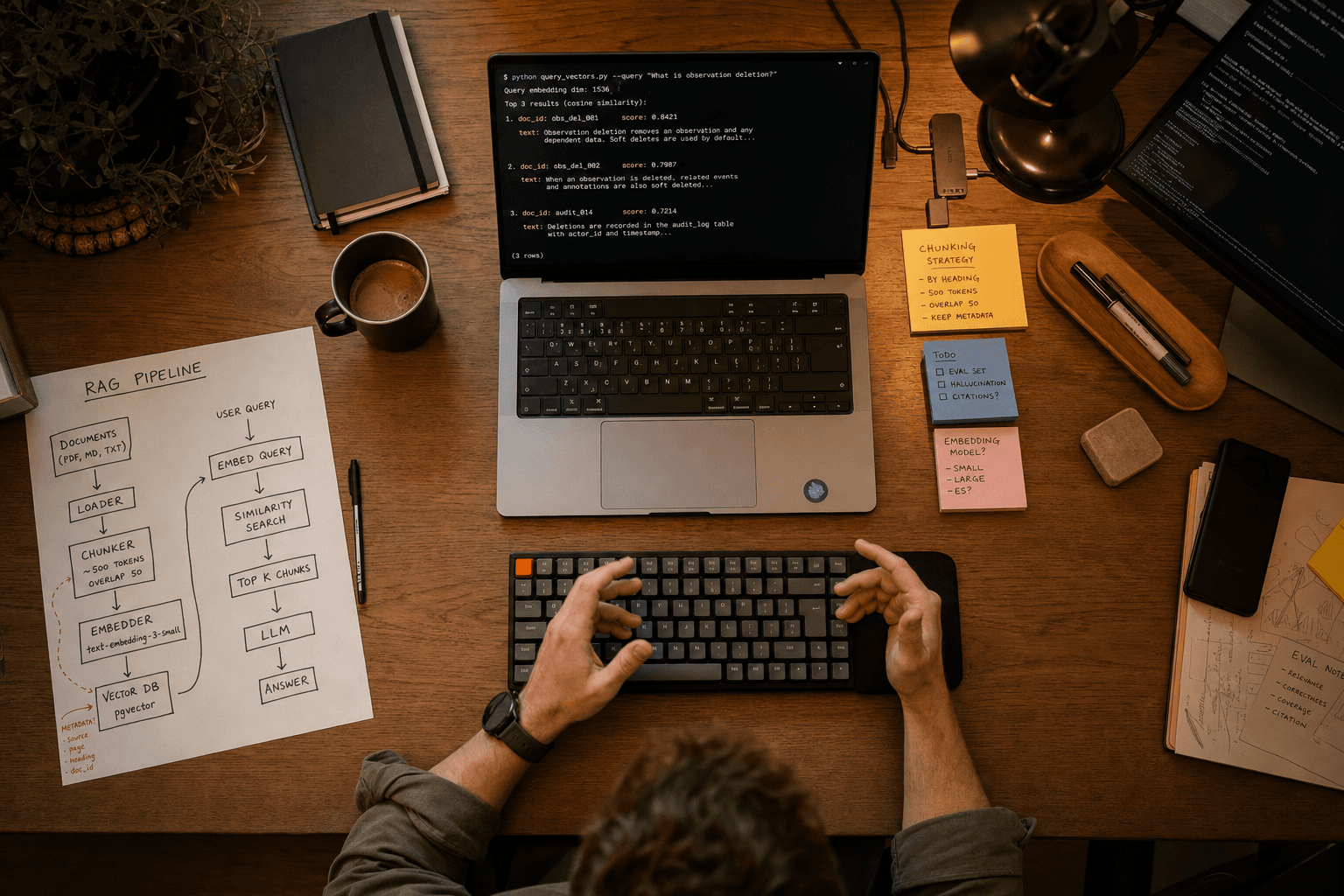
RAG Implementation Consulting: How It Works and When to Use It
Retrieval-Augmented Generation (RAG) is an LLM architecture pattern that grounds model output in retrieved documents at inference time — making it one of the most practical approaches for enterprise knowledge retrieval. This article explains how RAG works, when it is preferable to fine-tuning, and what a production-grade implementation actually involves, including Australian data sovereignty considerations.