
Insights
Product, design, AI, and engineering perspectives from our team.
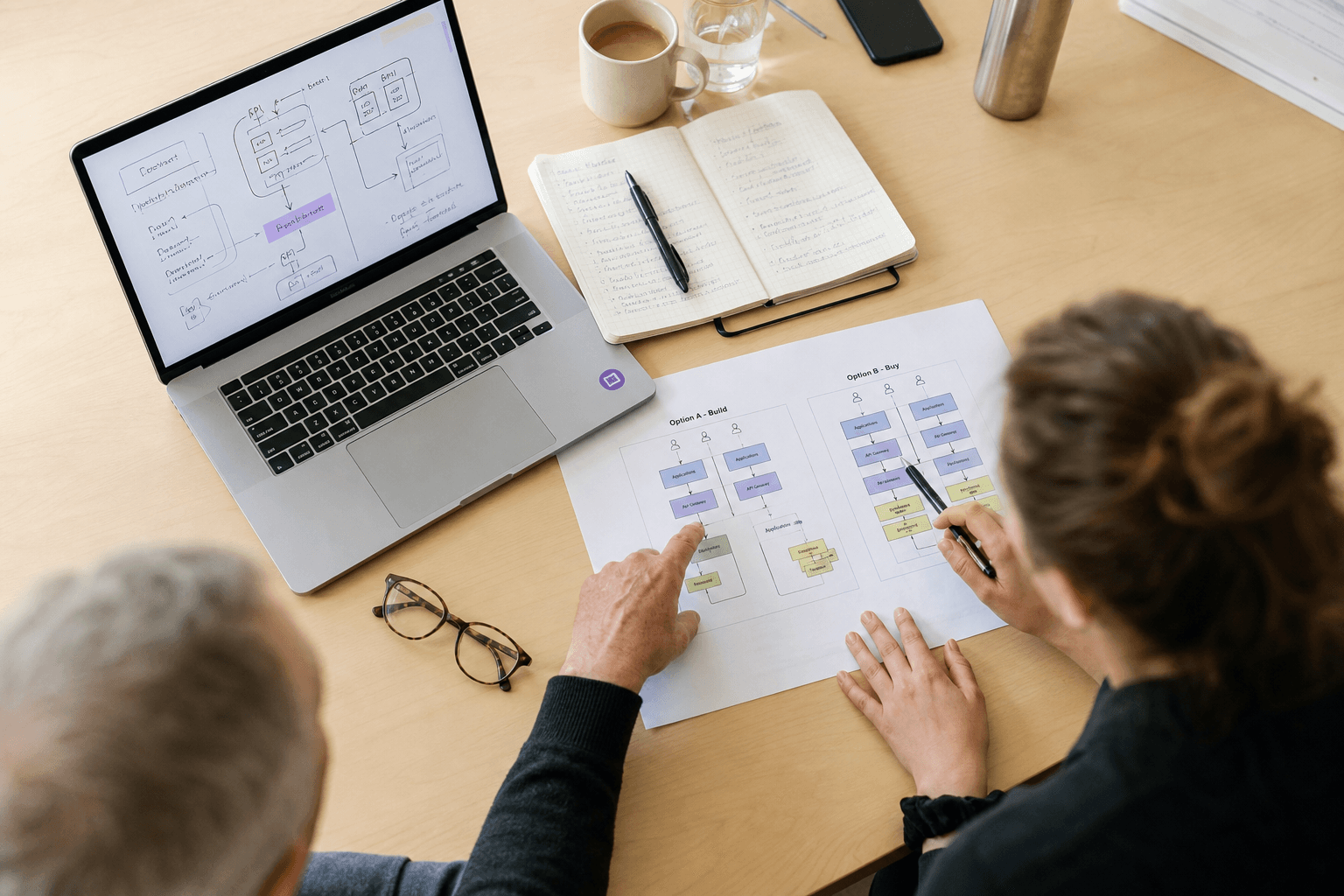
Composable Commerce vs Monolith: A Decision Guide
A practical decision guide for retail and e-commerce technology teams weighing a move from monolithic platforms to composable, headless architecture — covering flexibility, cost, team capability and common migration pitfalls.

Sustainable, Cost-Efficient Cloud Architecture for Scale-Ups
Cost-efficient cloud architecture at scale starts with governance, not infrastructure choice. This piece covers the account structure, guardrails, and cost levers that keep spend under control as engineering teams grow, and how to choose between a SaaS governance layer and an embedded consultancy model.
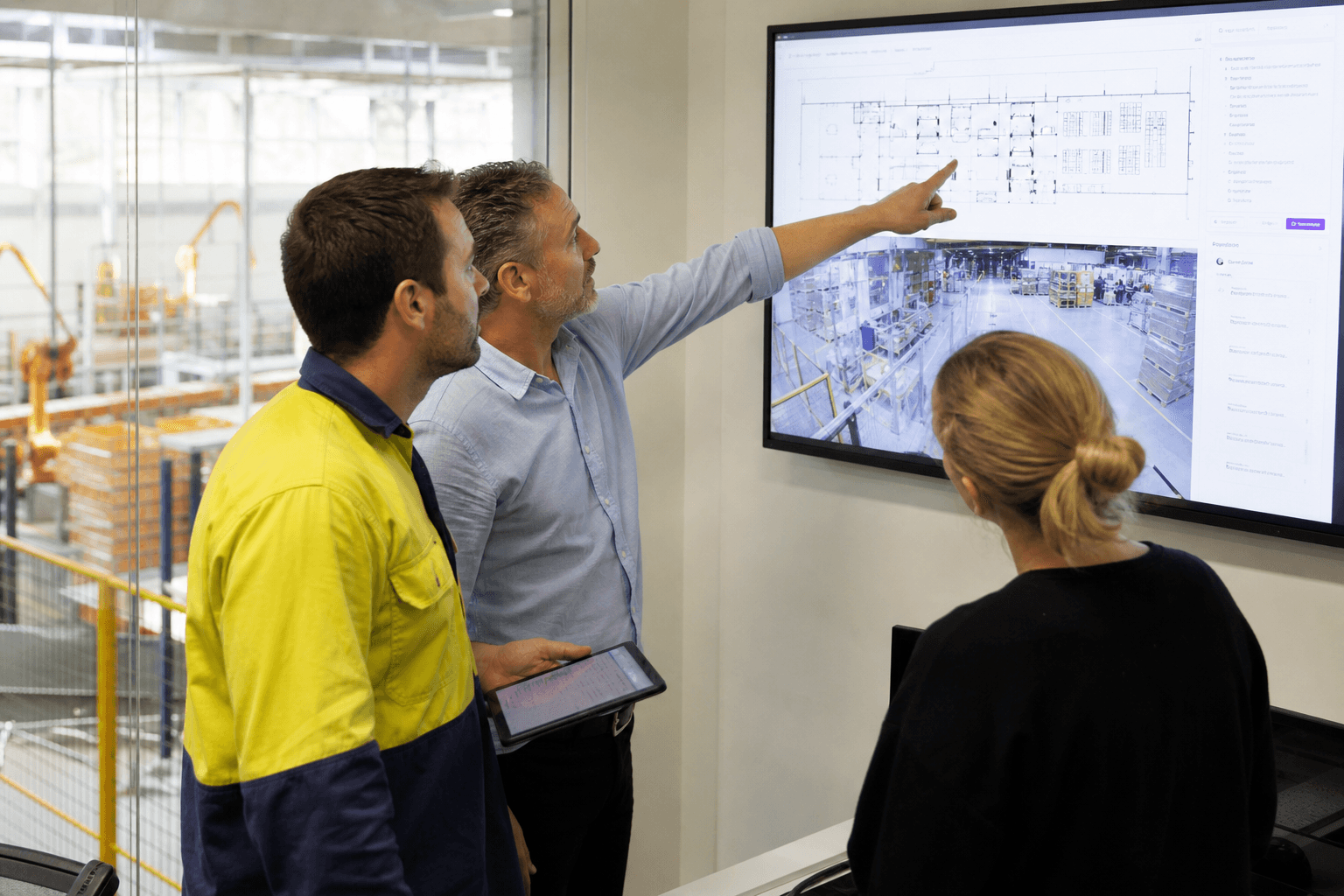
Digital Twins for Manufacturing and Logistics in Australia
Digital twins let manufacturers and logistics operators simulate changes safely and cut downtime — but only once the right sensors and data infrastructure are in place. Here's what Australian operators need before a twin becomes viable, and where AI fits in once it is.

Data Monetisation: Turning Internal Data Into Revenue
A practical look at how growing Australian companies can turn internal data into an external revenue stream — covering commercial models, technical foundations, and the governance considerations that come first.

Real Options Thinking for Technology Investment Decisions
Fixed ROI models break down when applied to AI pilots and platform rebuilds, because they demand precision at the point of maximum uncertainty. This article sets out a real options framework that lets CTOs and CFOs approve staged technology investment without a single, unreliable upfront ROI number.

Do Growing Australian Companies Need a Chief AI Officer?
As AI initiatives scale beyond a single pilot team, growing Australian companies face a real organisational design question: create a dedicated Chief AI Officer role, or extend an existing CTO or Head of Data mandate? This piece looks at the trade-offs against the backdrop of Australia's active regulatory environment for AI and data.
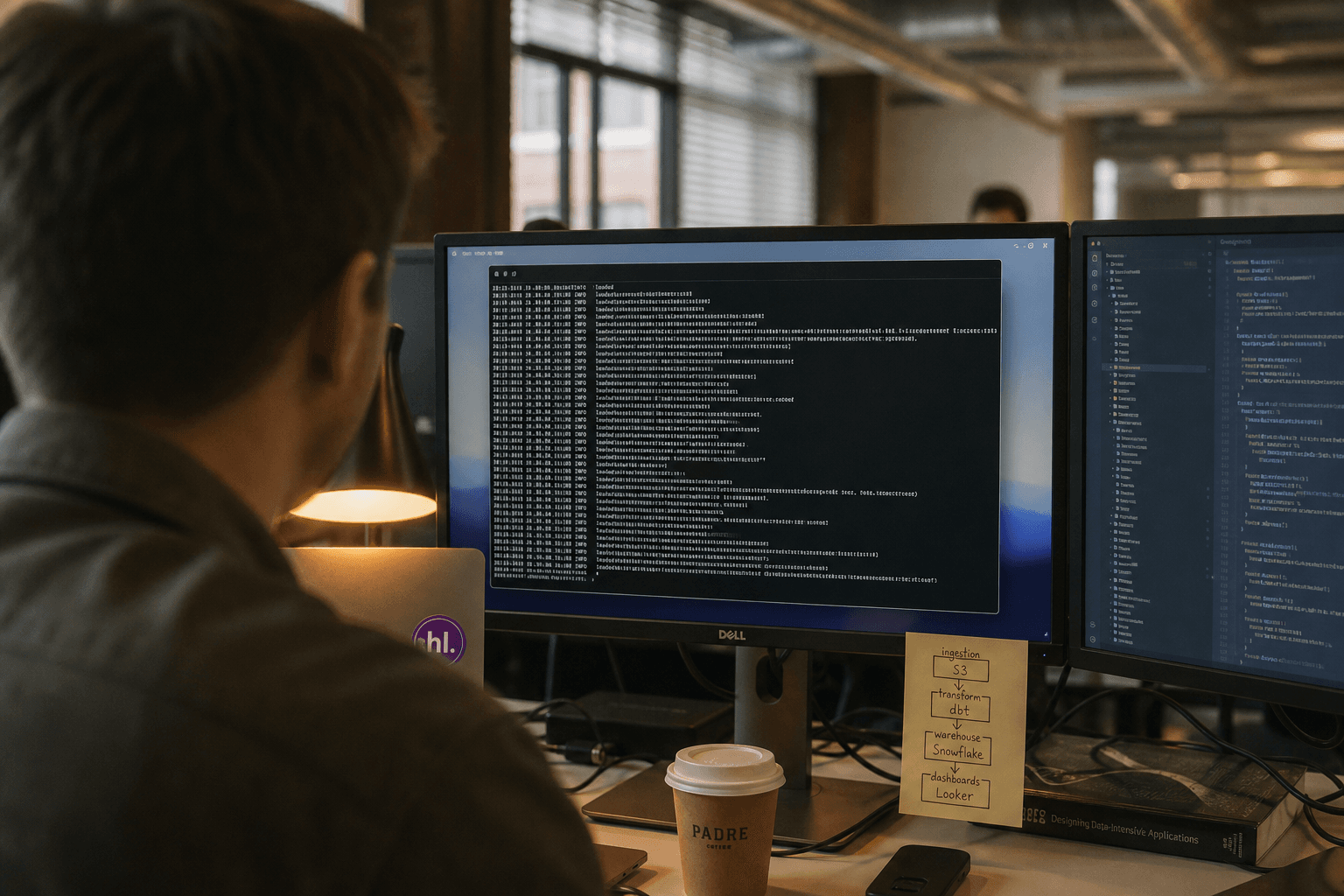
Change Data Capture for AI-Ready Data Pipelines
Change data capture (CDC) keeps analytics, search, and AI features in sync with source systems in near real time — but it's not free. This explainer covers how CDC works, where it fits in an AI-ready data stack, and when the operational overhead is actually worth it for an Australian engineering team.

How to Build a Data Science Function From Scratch
A practical guide to standing up a data science function from zero — who your first hire should report to, whether to start with a data scientist or analytics engineer, and how to sequence early wins before scaling the team.
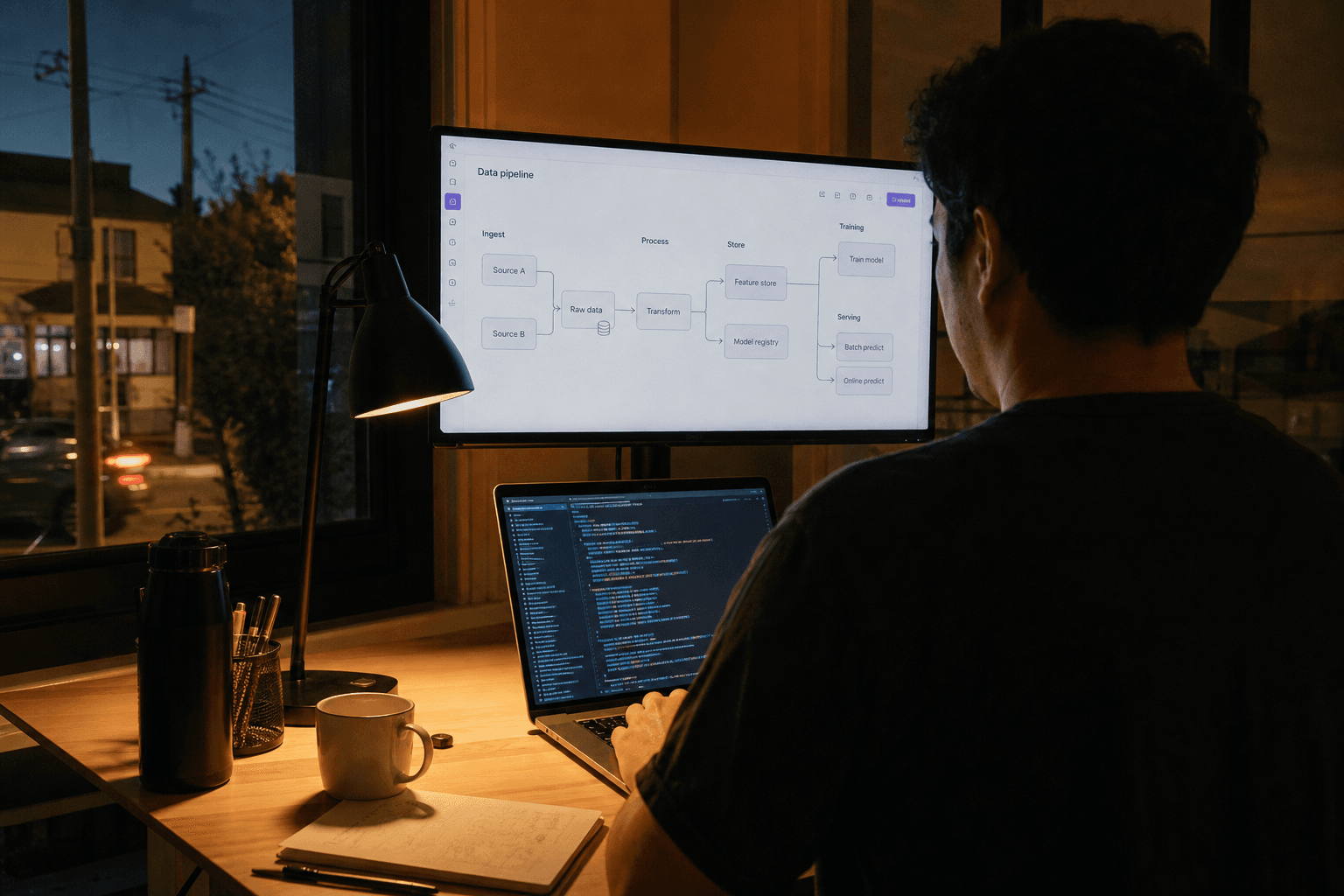
Feature Stores for Machine Learning at Scale
Growing data teams often outgrow spreadsheets and ad hoc pipelines long before they need a full feature store platform. Here's how to tell the difference — and how Google Cloud's Vertex AI implements feature management as a concrete example.