
Insights
Product, design, AI, and engineering perspectives from our team.

Measuring AI Feature Adoption: A Framework for SaaS Teams
Usage counts don't tell you whether an AI feature is actually working. This framework covers event design, cohort analysis, and qualitative feedback loops for measuring real adoption of AI features in SaaS products — distinct from financial ROI modelling.

Edge AI for Industrial IoT: An Architecture Guide
Edge AI for industrial IoT means running inference locally on-site rather than in the cloud. This guide covers the latency, connectivity, and maintenance trade-offs that shape a sound architecture.

Contact Centre AI: Integrating Voice and Chat Automation
A practical look at integrating AI-driven voice and chat automation into existing telephony and CRM systems — covering integration patterns, where automation should and shouldn't replace agents, and how to measure impact honestly.

GS1 Standards and AI-Powered Supply Chain Visibility
GS1 barcoding and traceability standards give Australian logistics and manufacturing businesses a common language for identifying products and tracking custody events. This article explains how those standards work and where AI-powered visibility tools genuinely add value on top of them — and where they can't compensate for weak data foundations.

Engineering Capacity Planning for AI Adoption
Engineering capacity planning for AI adoption means matching team size, skill mix, and engagement model to the real technical workload an AI initiative creates at each stage. This guide covers how to spot the gap early and choose between fractional, contract, pod, and permanent resourcing.
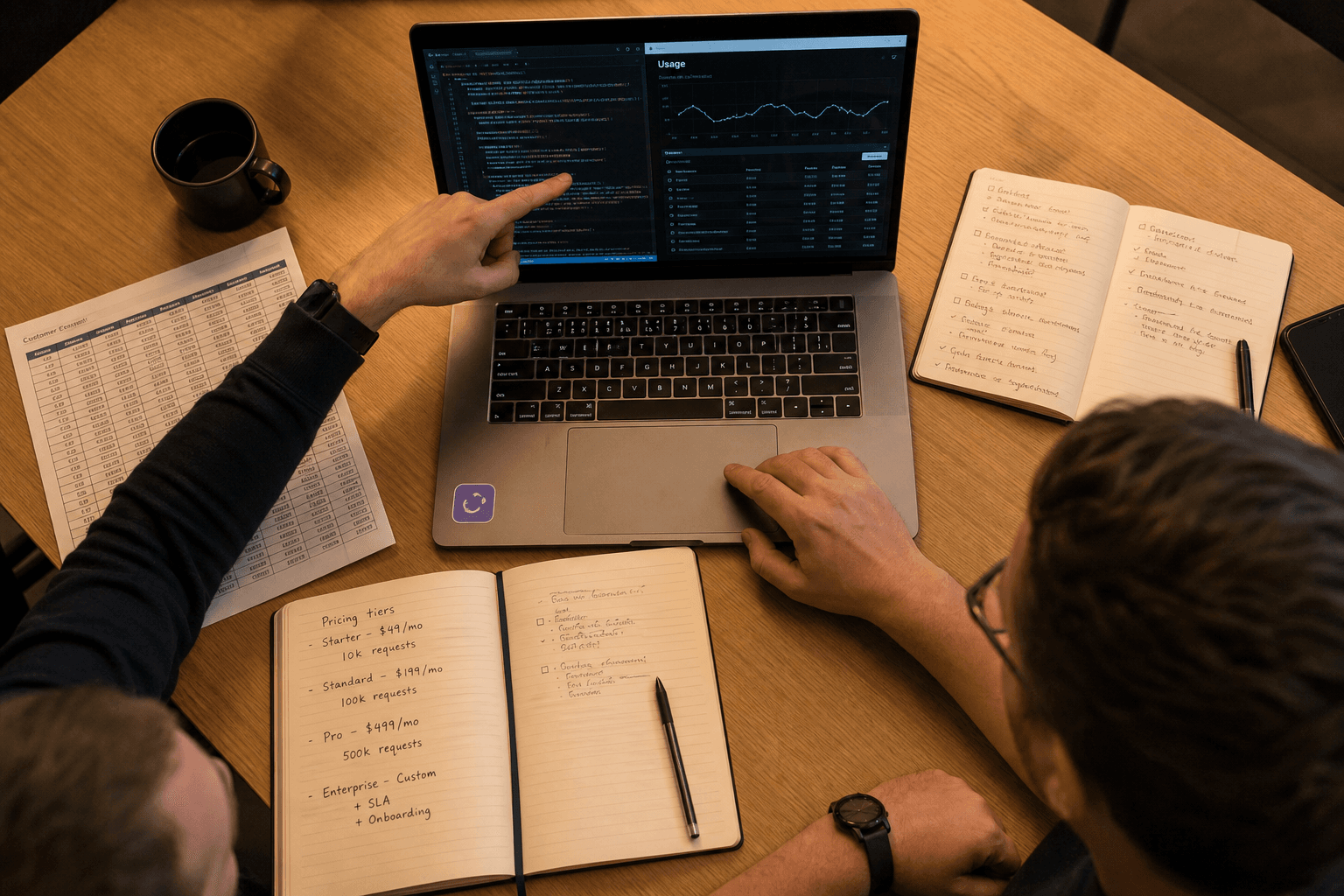
Usage-Based Billing for AI SaaS Features: A Metering Guide
AI features have volatile unit economics, and billing is often built last. This guide leads with what usage-based billing actually is, then covers metering architecture, pricing model trade-offs, and margin protection for AI SaaS features.

AI-Augmented Test Automation for Legacy Modernisation
AI-augmented test automation uses machine learning to generate, maintain, and prioritise software tests — a genuine accelerant for legacy modernisation, but not a substitute for human judgment on test intent. This piece sets out where AI-generated tests are reliable, where human review stays essential, and how to structure a testing strategy around both.
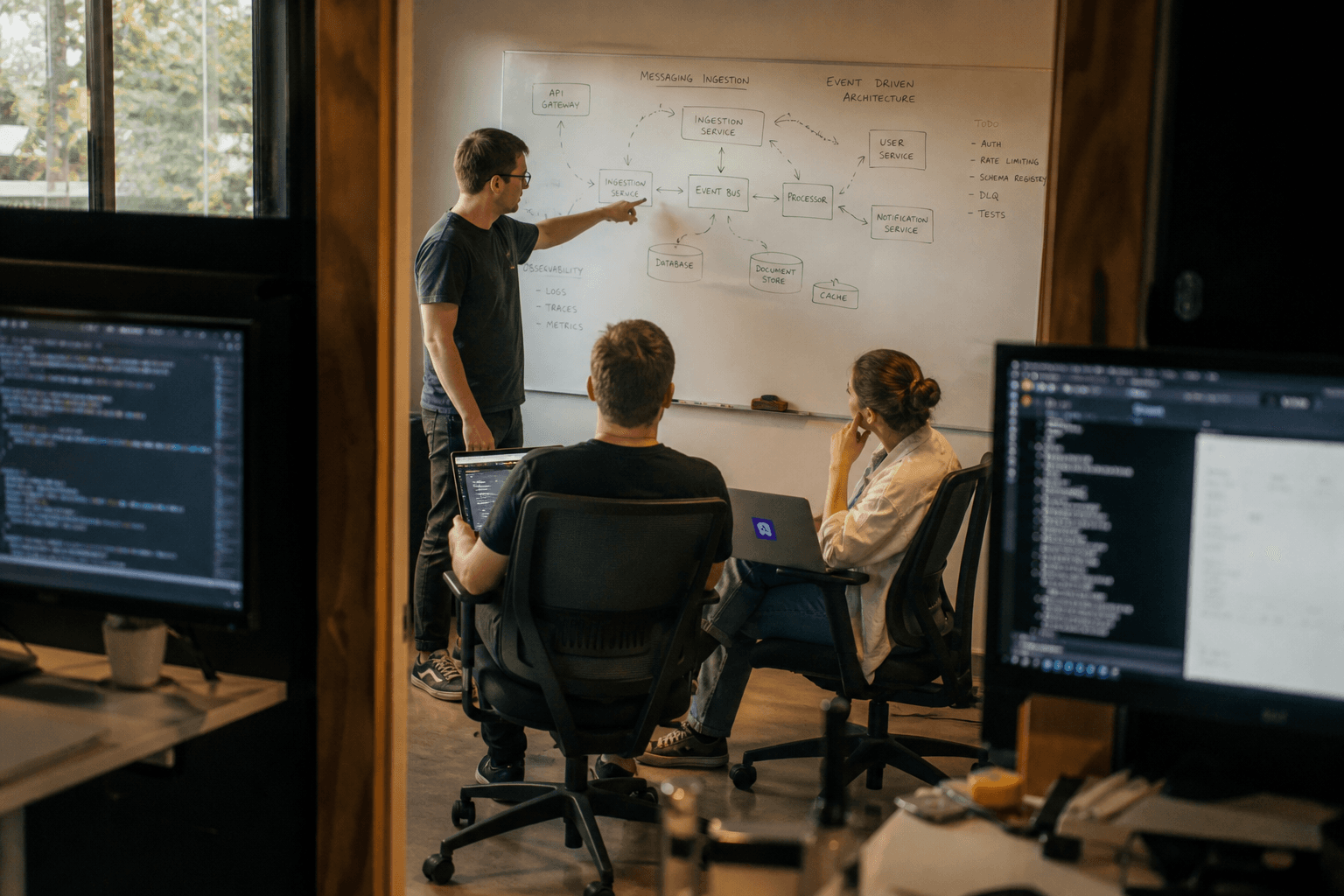
Business Continuity Planning for AI-Dependent Products
Business continuity planning for AI-dependent products means designing systems and processes so AI features keep working, in degraded form if needed, when a model provider has an outage, changes rate limits, or deprecates an API. Here's how to classify critical-path features and design failover accordingly.

LLM Cost Optimisation: Cutting Spend Without Cutting Quality
Cutting LLM spend doesn't have to mean cutting quality. This guide covers the practical engineering levers — model tiering, prompt caching, batching, prompt budgets, and observability — with a worked example showing how they compound.