
Insights
Product, design, AI, and engineering perspectives from our team.

Composable Data Stack: Reverse ETL and CDPs Explained
Growing companies often outgrow dashboards before they realise it — the business wants warehouse data acting inside the CRM, ad platforms and support tools, not just summarised in a report. This guide compares reverse ETL and customer data platforms as activation options within a composable data stack.
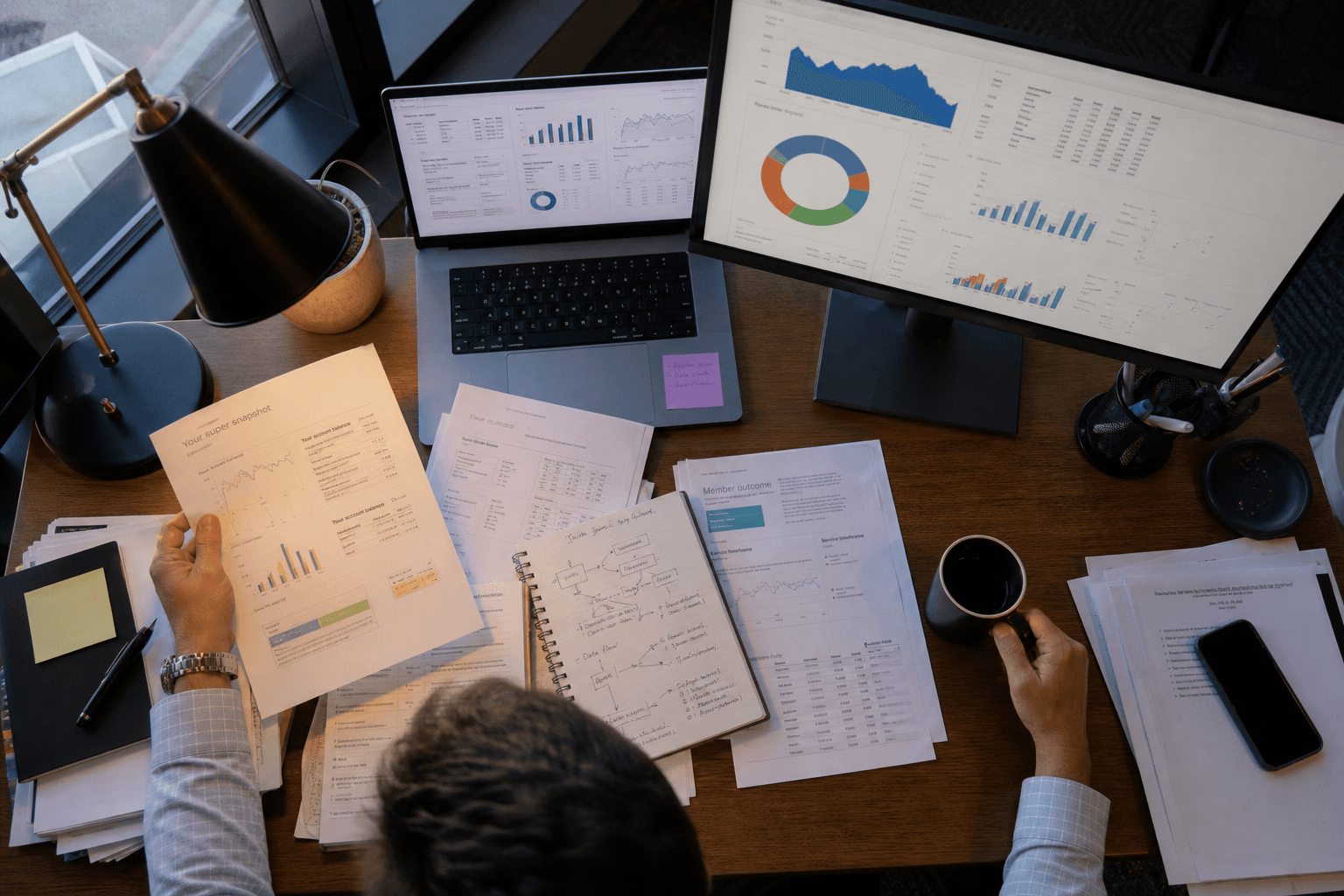
AI in Superannuation: Member Services, Fraud & APRA Reporting
A vertical guide to where AI is genuinely being applied across Australian superannuation funds — member servicing, fraud and scam detection, and APRA regulatory reporting — and the governance questions trustees need to answer first.
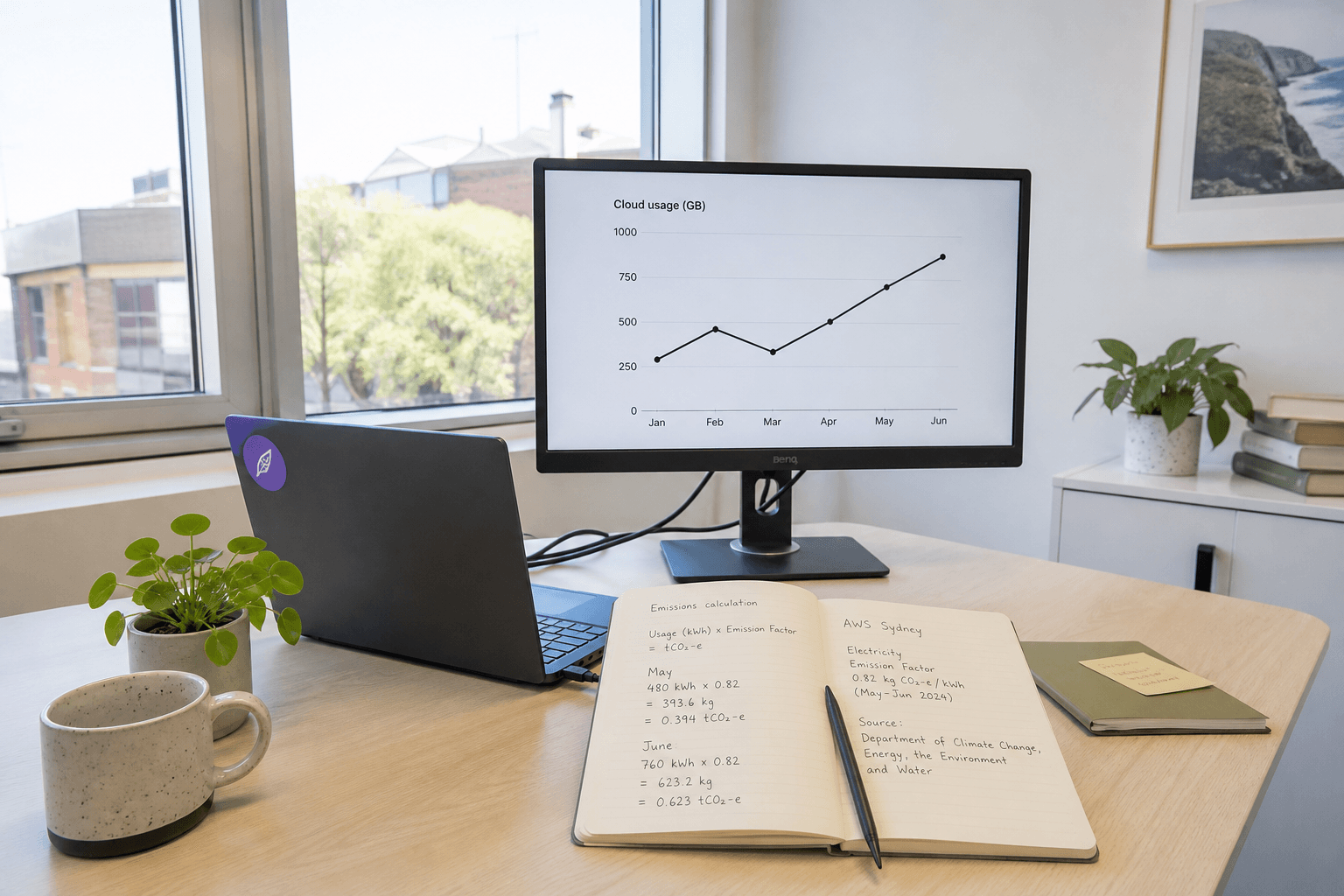
AASB S2 Climate Disclosure: A Guide for Tech & Cloud Teams
AASB S2 brings mandatory climate disclosure to Australian companies — and cloud infrastructure teams are increasingly part of the data trail. Here's what engineering and platform leaders need to know about Scope 1-3 emissions and cloud carbon reporting.
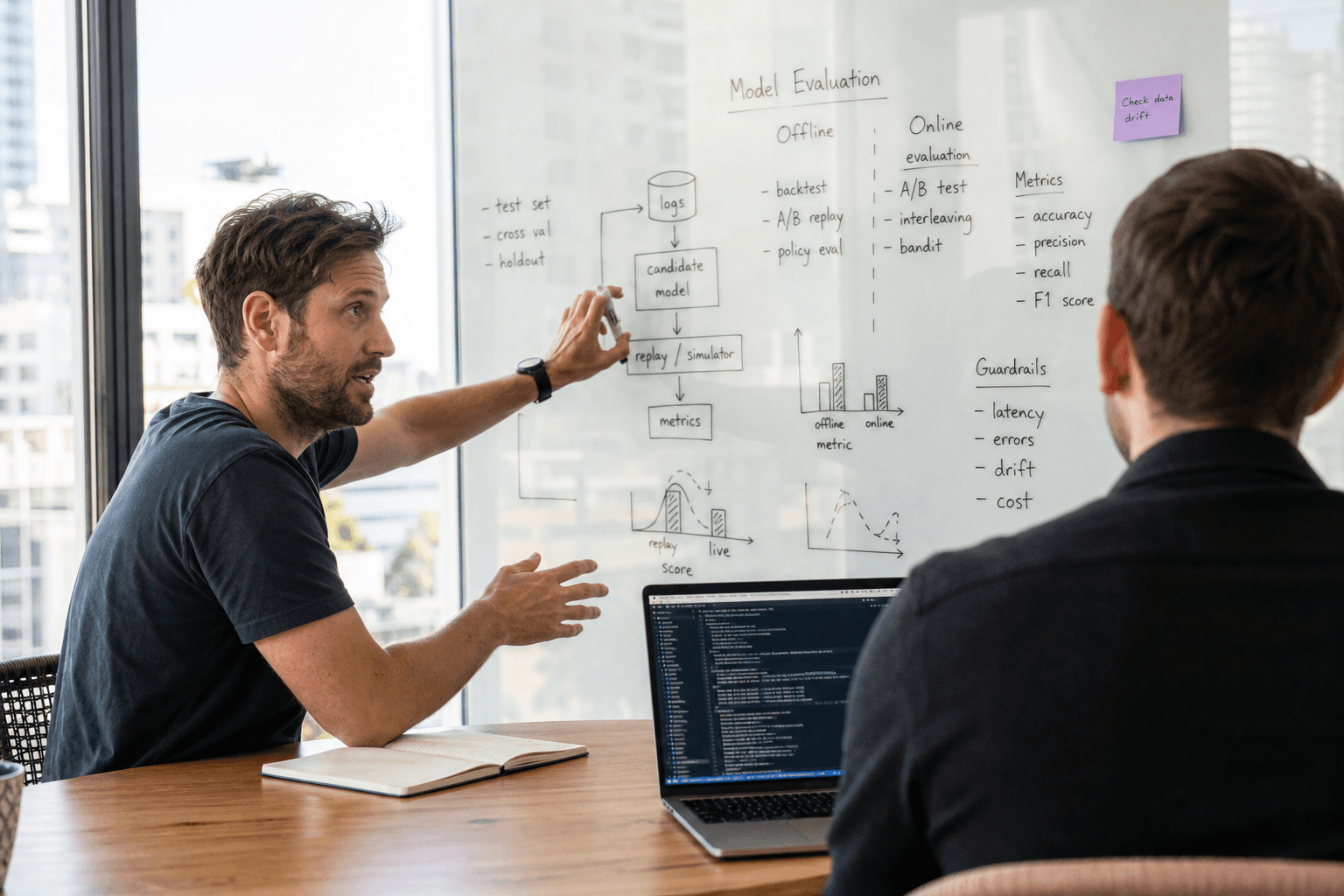
Designing Technical Assessment Frameworks for AI/ML Hiring
Hiring in-house AI and ML engineers requires a different interview loop to general software hiring — and a different lens to evaluating AI vendors. This guide sets out how data and engineering leaders can structure interview loops and take-home assessments to test ML judgement, not just code.

ISO 27001 Certification While Modernising Legacy Systems
A practical look at how Australian fintech, healthtech and insurtech companies can approach ISO 27001 certification alongside legacy infrastructure modernisation — including how it differs from SOC 2 and where the two workstreams overlap.

Observability for AI Agent Pipelines in Production
Multi-step AI agents fail in ways infrastructure metrics can't explain. This guide covers how to instrument chained model and tool calls with distributed tracing and structured logging so engineering teams can actually debug production failures and latency.

Measuring AI Feature Adoption: A Framework for SaaS Teams
Usage counts don't tell you whether an AI feature is actually working. This framework covers event design, cohort analysis, and qualitative feedback loops for measuring real adoption of AI features in SaaS products — distinct from financial ROI modelling.

AI Centre of Excellence: Three Models and How to Choose
There are three real operating models for an AI Centre of Excellence — centralised, federated, and hub-and-spoke — and the right one depends on how many AI initiatives you're running, how mature your business units are, and how much central governance you're willing to fund. This article breaks down each model's trade-offs and how to choose.
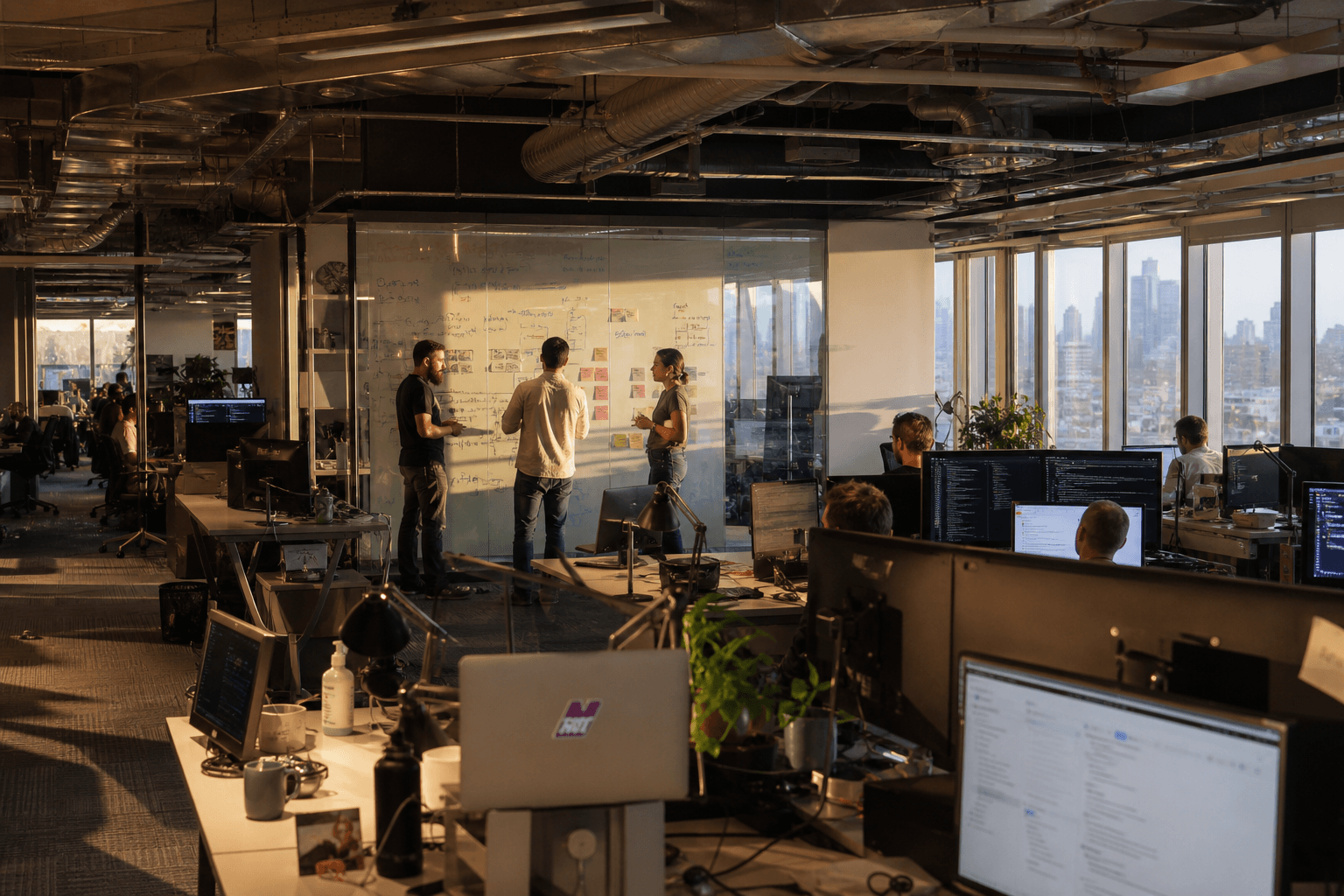
Choosing an Enterprise AI Platform: Bedrock vs Azure vs Vertex
Choosing an AI platform is a governance and architecture decision, not just a model choice. We compare AWS Bedrock, Azure AI Foundry, and Google Vertex AI on governance tooling, cost structure, and vendor lock-in — and are upfront about where public documentation runs thin.