
Insights
Product, design, AI, and engineering perspectives from our team.
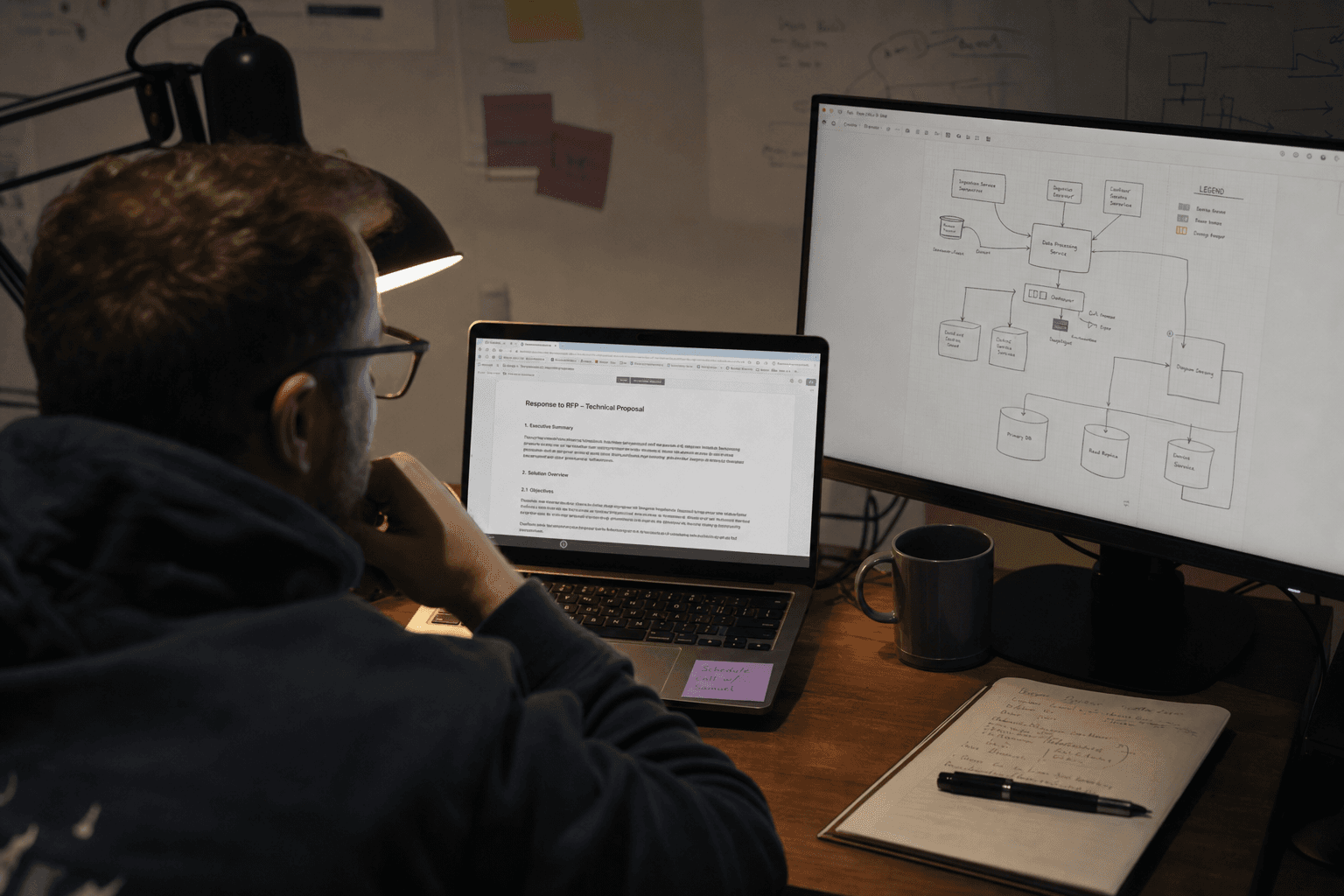
Planning an AI Engagement: What Production Delivery Requires
Before committing budget to an AI initiative, it's worth agreeing on what production-grade delivery actually means. This guide covers the standards worth setting for any AI engagement — from production track record to MLOps planning and IP ownership.
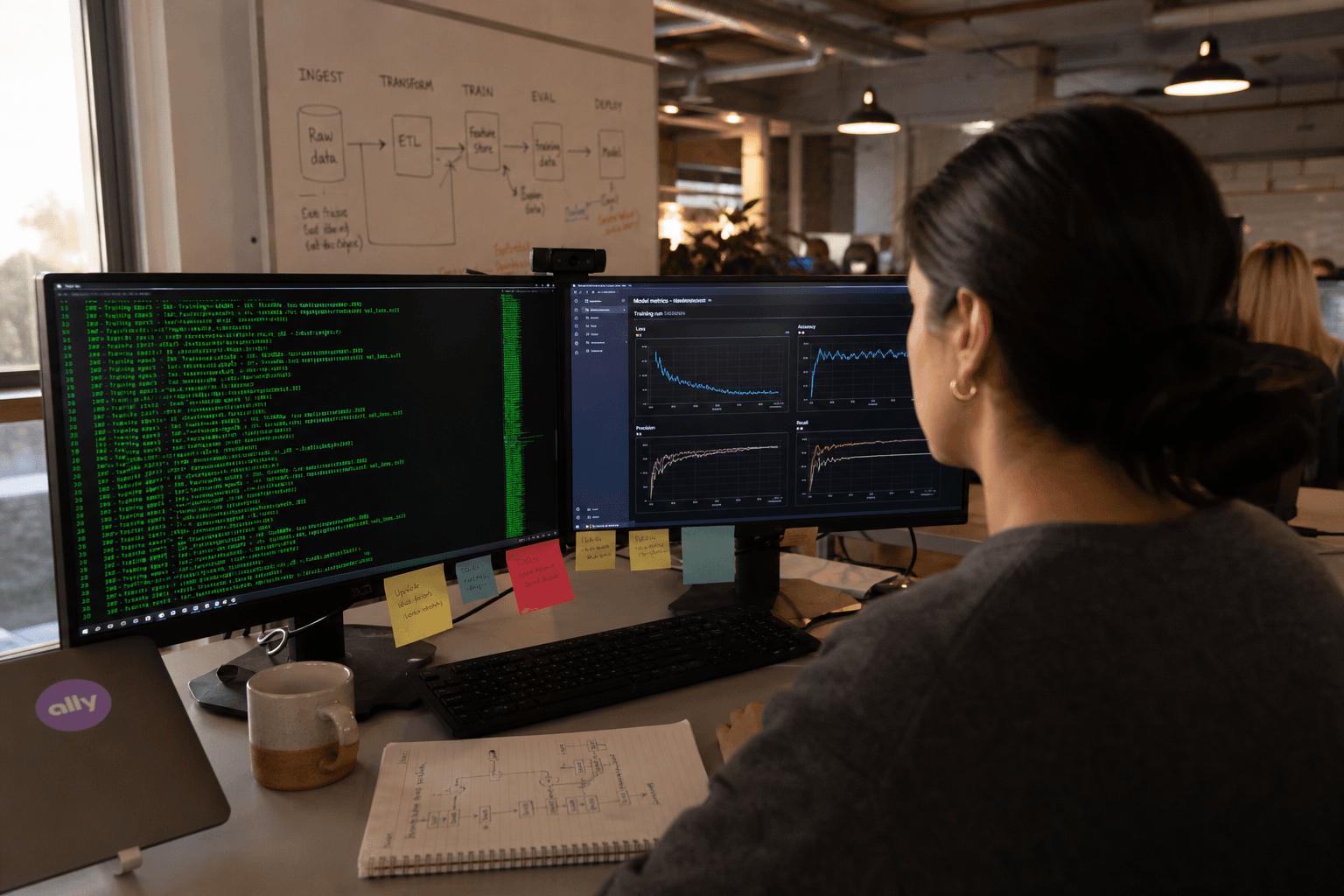
MLOps Consulting in Australia: From Notebook to Production
MLOps consulting helps Australian engineering teams close the gap between a model that works in a notebook and one that reliably runs in production. This guide covers the MLOps maturity model, five core capabilities, tooling options including MLflow, Kubeflow, SageMaker, and Vertex AI, and the Australian data residency and privacy obligations that affect how ML pipelines should be architected.

AI Incident Response: What to Do When Your Model Fails in Production
When an AI model fails in production, the failure is often silent — no error code, just degrading outputs. This guide is a practical incident response playbook for ML and LLM systems: detection, severity classification, rollback, stakeholder communication, and post-incident review, built for technical leaders who need to extend their existing incident processes to cover AI-specific failure modes.

MLflow vs Weights & Biases: Experiment Tracking and Model Registry
MLflow and Weights & Biases are the two platforms most growing ML teams evaluate for experiment tracking and model registry. This guide compares them honestly across deployment model, data residency, collaboration, and production reproducibility — so you can make the right call for your team and regulatory context.

PyTorch vs TensorFlow in 2025: Choosing a Production ML Framework
PyTorch and TensorFlow are both production-capable ML frameworks in 2025, but they suit different teams, workloads, and deployment environments. This guide helps technical leaders make a defensible framework choice based on ecosystem fit, serving requirements, and team context — not benchmarks or hype.

Kubernetes for AI Workloads: When It's Worth the Complexity
Kubernetes is worth the complexity for AI workloads when you are serving multiple models in production, managing GPU scheduling across workloads, and have platform engineering capacity to operate it. For teams at earlier stages, managed services are the more pragmatic starting point. This guide helps technical leaders make the call clearly.

Apache Airflow vs Managed Orchestration for AI and Data Pipelines
Choose self-managed Apache Airflow when your team has strong DevOps capability and needs fine-grained infrastructure control. Choose a managed alternative when your priority is pipeline output over platform operations. This article walks through the core trade-offs, including data sovereignty considerations for Australian regulated industries.

AI Inference Optimisation: A Production Decision Guide
Shipping a model is the beginning, not the end. Once an AI feature is live, inference cost and latency become real engineering problems that compound at scale. This guide explains the key optimisation levers available to technical leaders — and how to choose between them.

Multi-Model Routing: Cut LLM Costs Without Sacrificing Quality
Multi-model routing sends each AI request to the cheapest model capable of handling it well, rather than routing everything through a frontier model. Combined with semantic caching and fallback chains, it is one of the most effective ways to control LLM costs in production without degrading quality. This post covers the core patterns and what a practical production architecture looks like.