
Insights
Product, design, AI, and engineering perspectives from our team.

ML Proof of Concept to Production: Why Most Stall
Most ML proof of concepts never reach production — not because the model is wrong, but because reproducibility, deployment, monitoring, evaluation, versioning, and lineage were never built. Here's why POCs stall and what a realistic path to production looks like.

MLOps Consulting: What Australian Mid-Market Teams Actually Need
Enterprise MLOps advice rarely fits a mid-market team running a handful of models with a small data team. Here's what a right-sized MLOps consulting engagement covers — minimum viable stack, build-vs-buy tooling, team shape, and a maturity model.
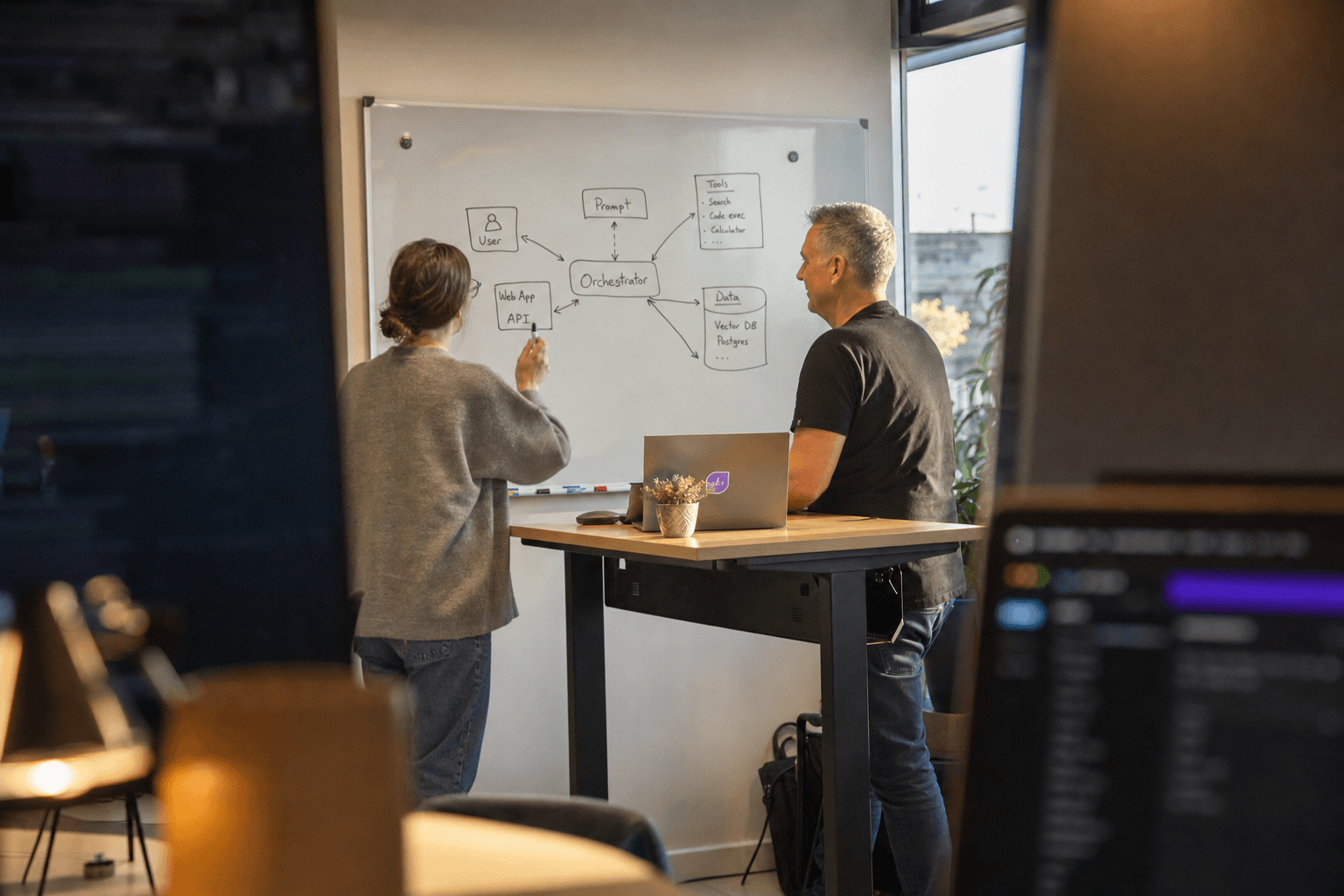
AI Security Review: Threat Modelling LLM Apps Before Launch
A practical, pre-launch framework for threat modelling LLM applications — prompt injection, tool-use data exfiltration, RAG poisoning, and tenant isolation — mapped to OWASP's LLM Top 10 and Australian privacy obligations.
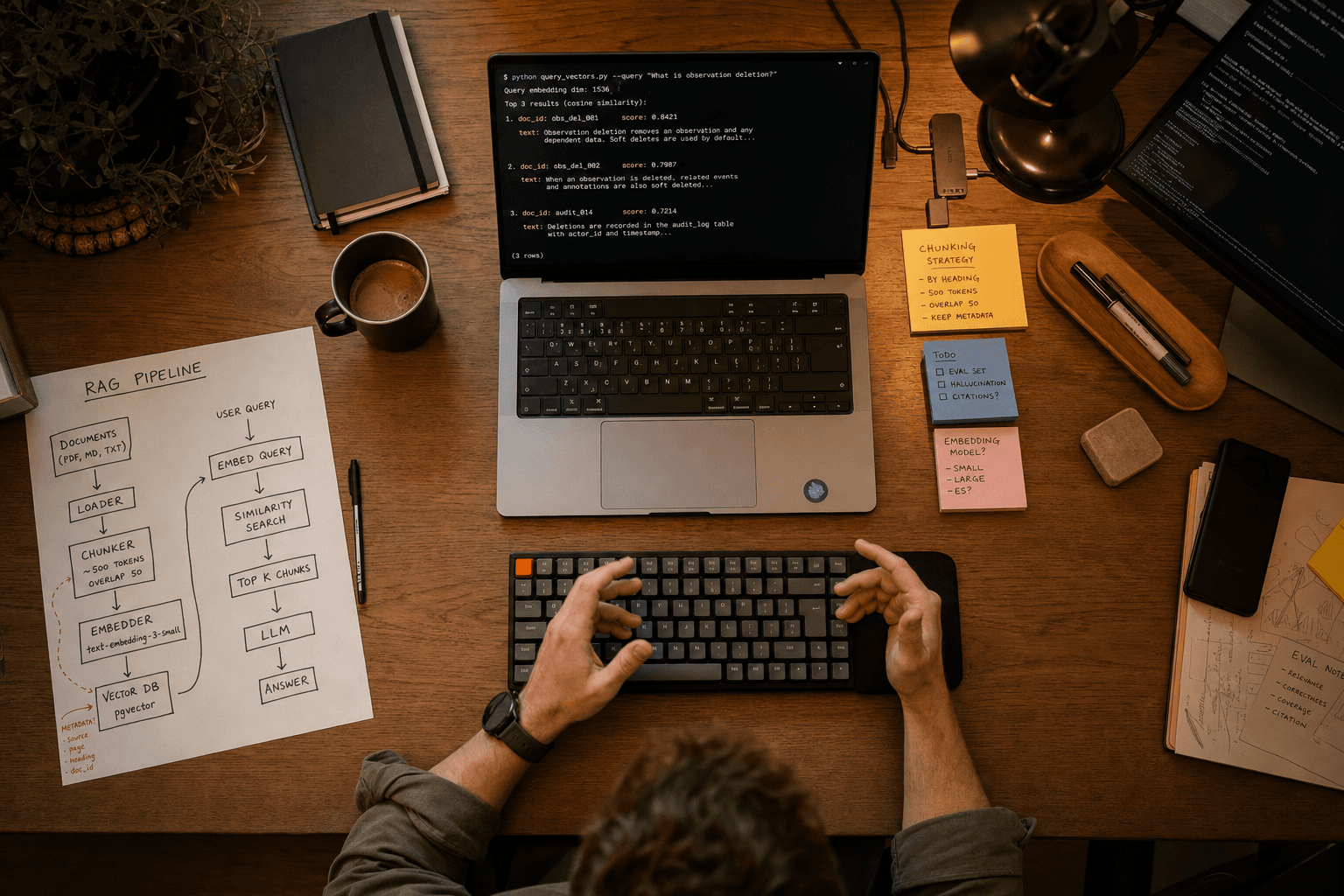
RAG Implementation Consulting: How It Works and When to Use It
Retrieval-Augmented Generation (RAG) is an LLM architecture pattern that grounds model output in retrieved documents at inference time — making it one of the most practical approaches for enterprise knowledge retrieval. This article explains how RAG works, when it is preferable to fine-tuning, and what a production-grade implementation actually involves, including Australian data sovereignty considerations.

MLOps Consulting in Australia: From Notebook to Production
MLOps consulting helps Australian engineering teams close the gap between a model that works in a notebook and one that reliably runs in production. This guide covers the MLOps maturity model, five core capabilities, tooling options including MLflow, Kubeflow, SageMaker, and Vertex AI, and the Australian data residency and privacy obligations that affect how ML pipelines should be architected.

Custom AI Agent Development: Architecture and Use Cases
AI agents are autonomous software systems that plan, use tools, and execute multi-step tasks — a significant step beyond standard LLM calls. This guide covers the core architectural patterns, industry use cases, data prerequisites, and what a responsible commissioning process looks like for teams considering custom AI agent development.

Context Engineering for LLM Apps: Beyond Prompt Templates
Prompt templates are where LLM applications start. Context engineering is what makes them work reliably in production. This article covers the four core levers — retrieval, compression, memory, and ordering — and how to build a context pipeline that produces consistent, cost-efficient model behaviour at scale.

AI Incident Response: What to Do When Your Model Fails in Production
When an AI model fails in production, the failure is often silent — no error code, just degrading outputs. This guide is a practical incident response playbook for ML and LLM systems: detection, severity classification, rollback, stakeholder communication, and post-incident review, built for technical leaders who need to extend their existing incident processes to cover AI-specific failure modes.

Upskilling Your Engineering Team for AI: A Practical Plan for CTOs
Most engineering teams can integrate an API — far fewer are ready to build production AI systems that are observable, compliant, and resilient. This post gives CTOs a concrete plan: how to map current capabilities, build tiered learning paths, design hands-on projects, and decide when to train versus hire.